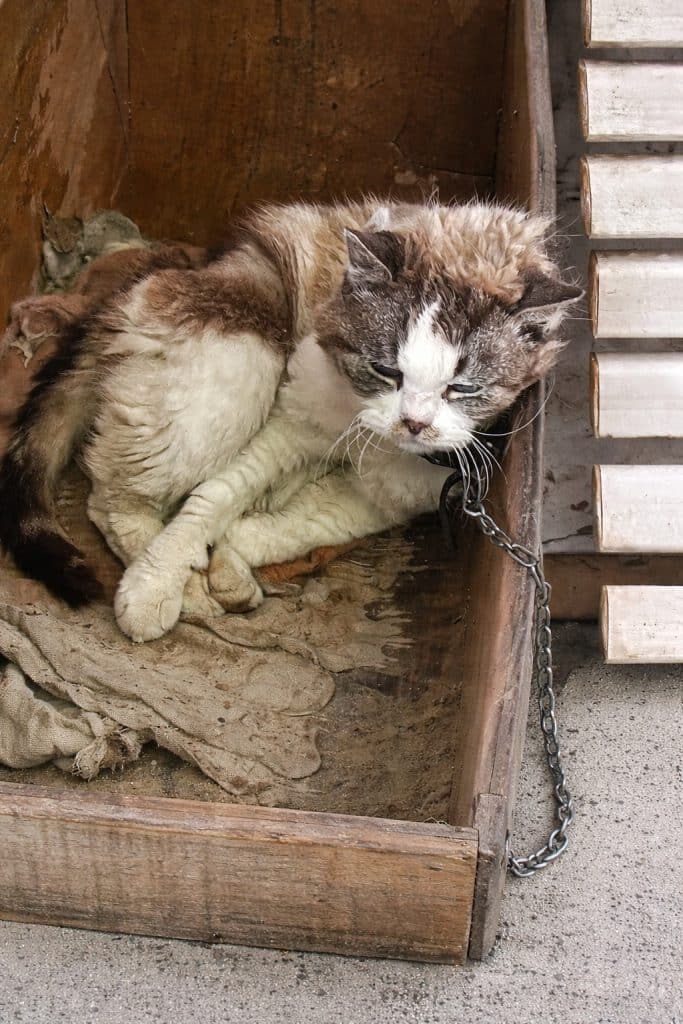
Nina was found on a neglected farm, chained to a wall for nearly ten years. The place was filthy and silent, with little food or clean water. Day after day, she remained there — unable to leave, unable to choose, her eyes dulled by years of waiting.
There was no comfort.
No freedom.
Only survival.
An Explanation That Changed Nothing
When authorities intervened, the owner offered an explanation. He claimed he had chained Nina since she was young to prevent her from being hit by cars.
The words did nothing to explain the years of isolation, hunger, and confinement. They did nothing to justify a life lived on a short chain.
Video: Nina’s rescue after ten years in chains — and the quiet days that followed
What Freedom Revealed
Once rescued by an animal welfare organization, Nina was finally free. But freedom came too late to undo the damage.
Veterinarians examined her and found severe dehydration and kidney failure — the result of prolonged neglect and deprivation. Her body had endured more than it could safely recover from.
When Rescue Comes at the Very End
This was the turning point — when captivity ended, but time had already taken its toll.
Gentle Care, Limited Time
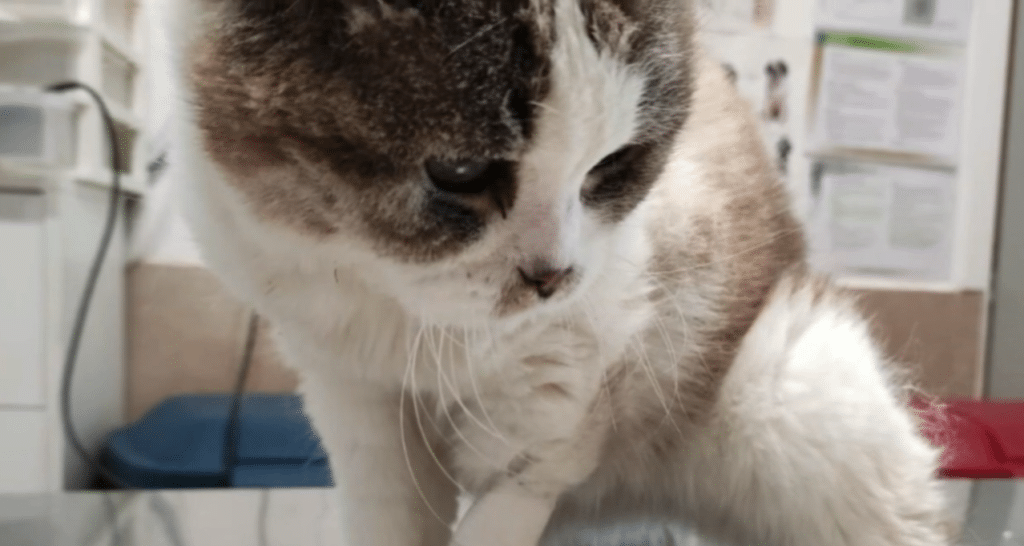
Nina received medical attention, warmth, and kindness — things she had been denied for most of her life. For the first time, she was no longer restrained. She could rest without fear.
But her body was too weak.
A Life That Touched Freedom Briefly
Just days after being rescued, Nina passed away. She did not have the chance to experience the life she deserved — the comfort, curiosity, and peace that come with freedom.
She was free — but only for a moment.
Remembering Nina
Nina’s story is not one of rescue alone. It is a reminder of what prolonged neglect can quietly do over time, and how suffering does not always look dramatic from the outside.
Sometimes, the greatest tragedy is not that freedom never comes — but that it arrives too late.