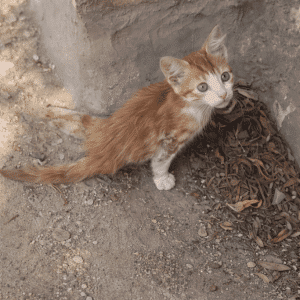
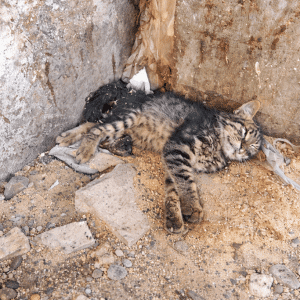
A stray cat became wedged deep within the decorative gaps of an iron gate. His head and body were stuck fast, and every attempt to pull free only made things worse. Panic took over. He thrashed and cried, injuring a few well-meaning locals who tried to help before realizing this was beyond what bare hands could fix.
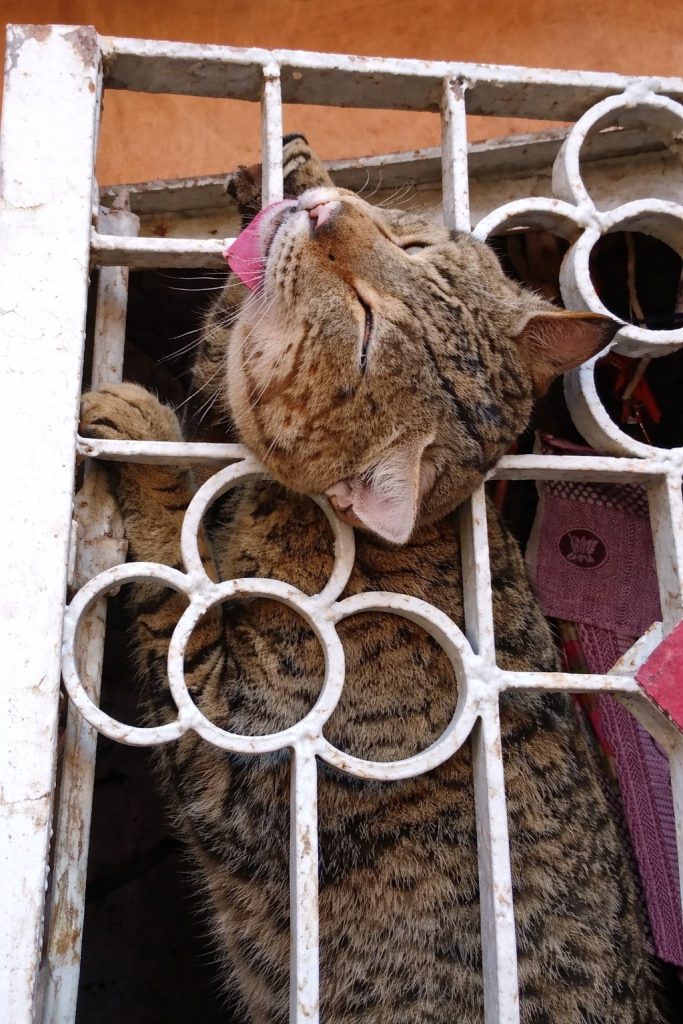
An urgent call was made. This needed trained rescuers — and it needed them quickly.
When Help Arrives to a Scene Already on Edge
The rescue team arrived to find the cat in extreme distress. His claws lashed out. His breathing was fast and shallow. Fear had turned him defensive, making it impossible for anyone to get close without risk.
The team knew they had to calm him first — for his safety, and theirs.
Choosing Care Over Force
A soft towel was wrapped gently around the cat, creating a barrier that protected everyone while also offering the smallest sense of security. The team avoided cutting the iron gate, determined not to cause additional pain or injury.
Video: A stray cat rescued from an iron gate and the moment his breathing nearly stopped
They worked methodically, adjusting angles, watching his breathing, and moving only when it was safe.
When Seconds Begin to Matter
This was the turning point — when rescue became a race against time.
A Frightening Moment
Suddenly, the cat’s condition worsened. His tongue darkened as his breathing failed. The team feared he was suffocating.
Without hesitation, a veterinarian stepped in. Gentle chest compressions began. Hands moved with focus and urgency. No one spoke.
Life Returns, Slowly
Then, movement.
A breath.
Color returning.
The cat’s tongue shifted back toward pink. Shallow breaths followed. Relief washed over the team as the small body responded.
Moments later, the cat was finally freed from the iron gate — shaken, exhausted, but alive.
After the Gate, After the Fear
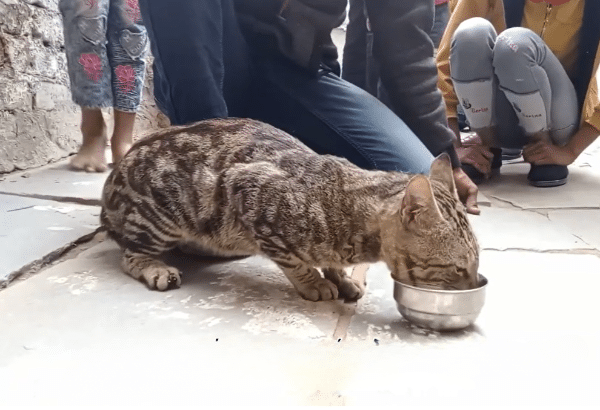
Once safe, the cat was offered milk to restore energy. Weak but alert, he drank quietly while the team watched, letting the moment settle.
A careful check confirmed there were no serious injuries beyond the trauma of being trapped.
Back Where He Belongs
Knowing that familiarity would help him recover, the team returned the cat to the area he knew best. Free again, he disappeared into his surroundings — carrying a second chance with him.
This rescue wasn’t loud.
It wasn’t easy.
But it was precise, patient, and compassionate.
Sometimes, survival depends on refusing to rush — and choosing care over force when fear is at its peak.